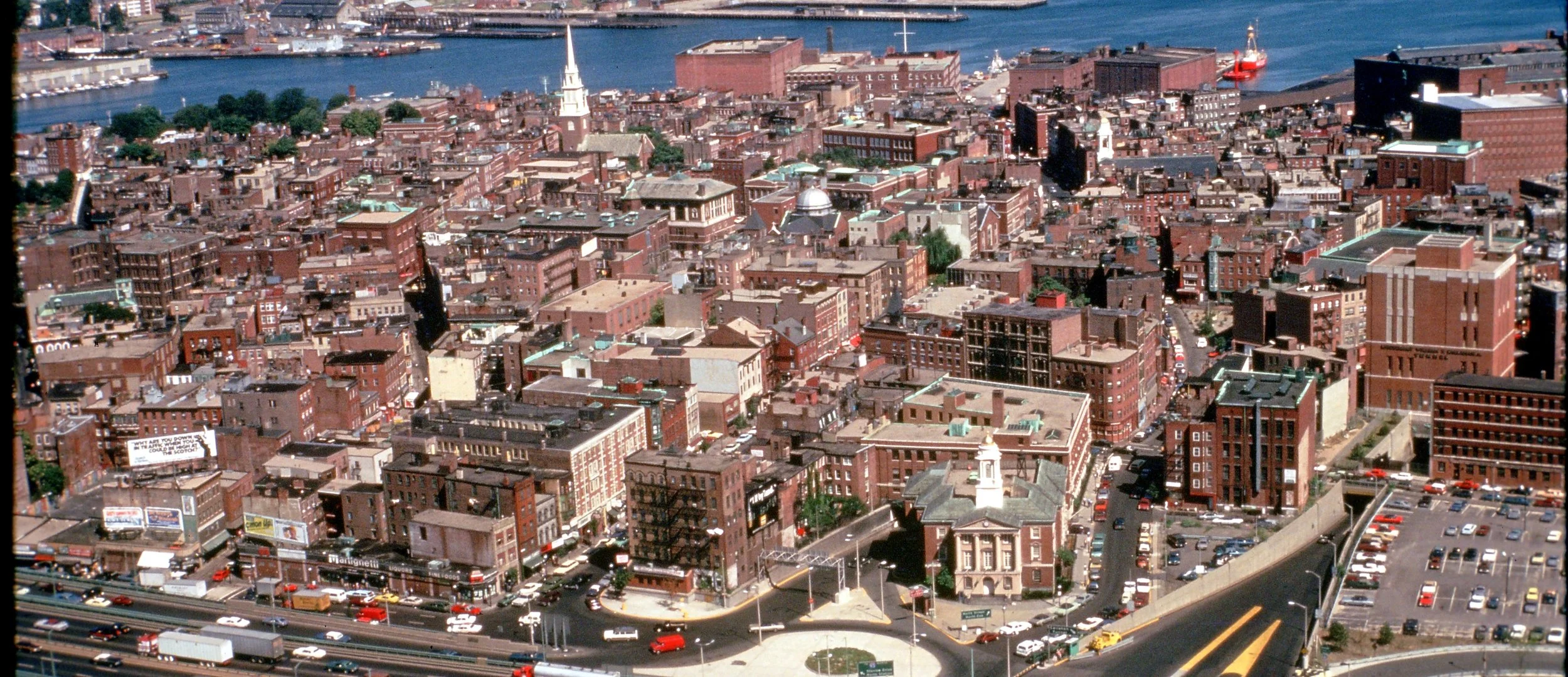
The History of Boston’s North End
The North End is Boston’s oldest residential neighborhood, settled in 1630 on the northern tip of the Shawmut Peninsula and continuously inhabited for nearly 400 years. It was home to Puritan minister Cotton Mather, Revolutionary patriot Paul Revere, and pioneering woman physician Harriot Kezia Hunt, then became the first American address for Irish, Jewish, Portuguese, and Italian immigrants, whose families built the Little Italy visitors walk through today.
Why is it called the North End?
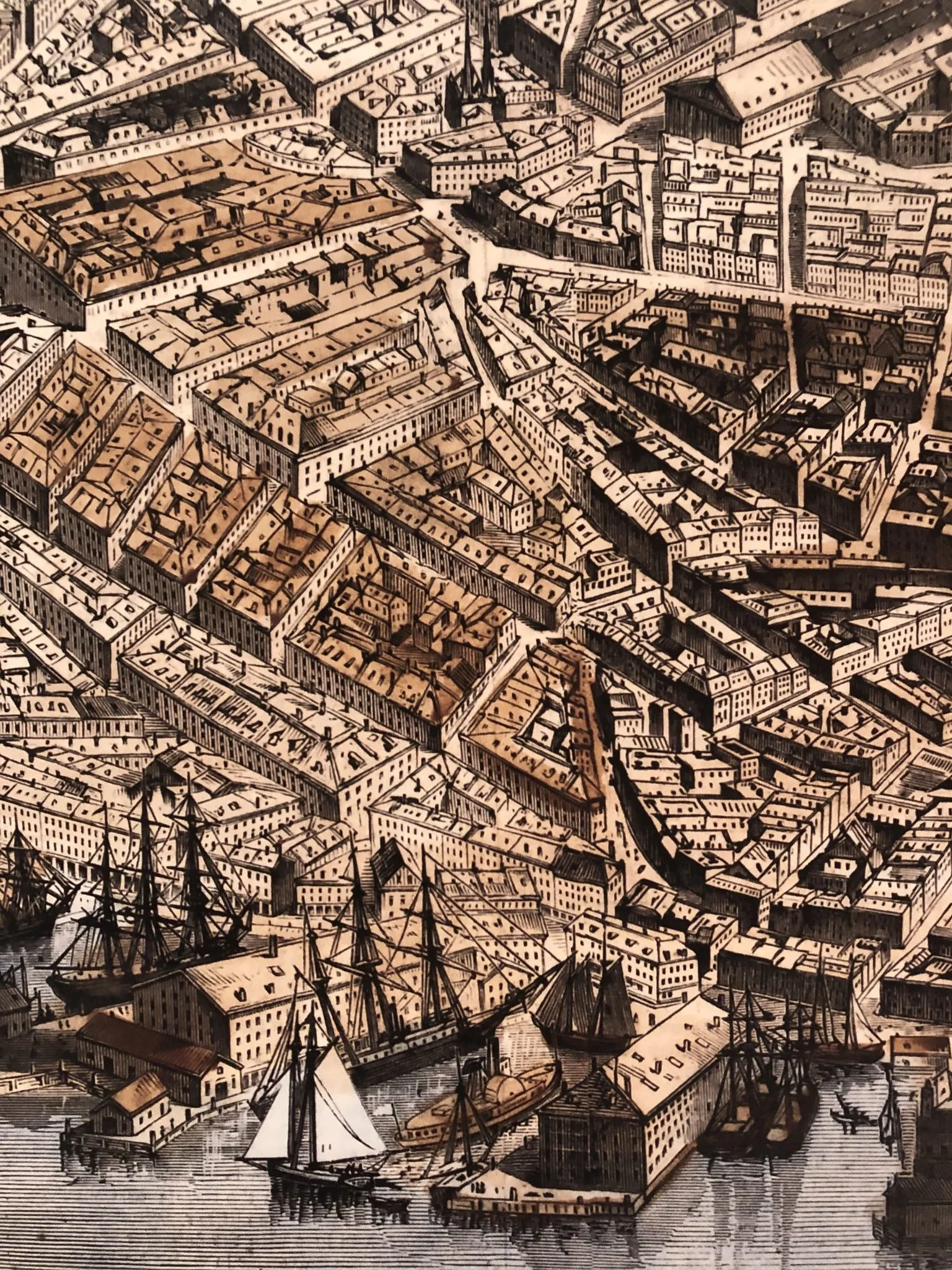
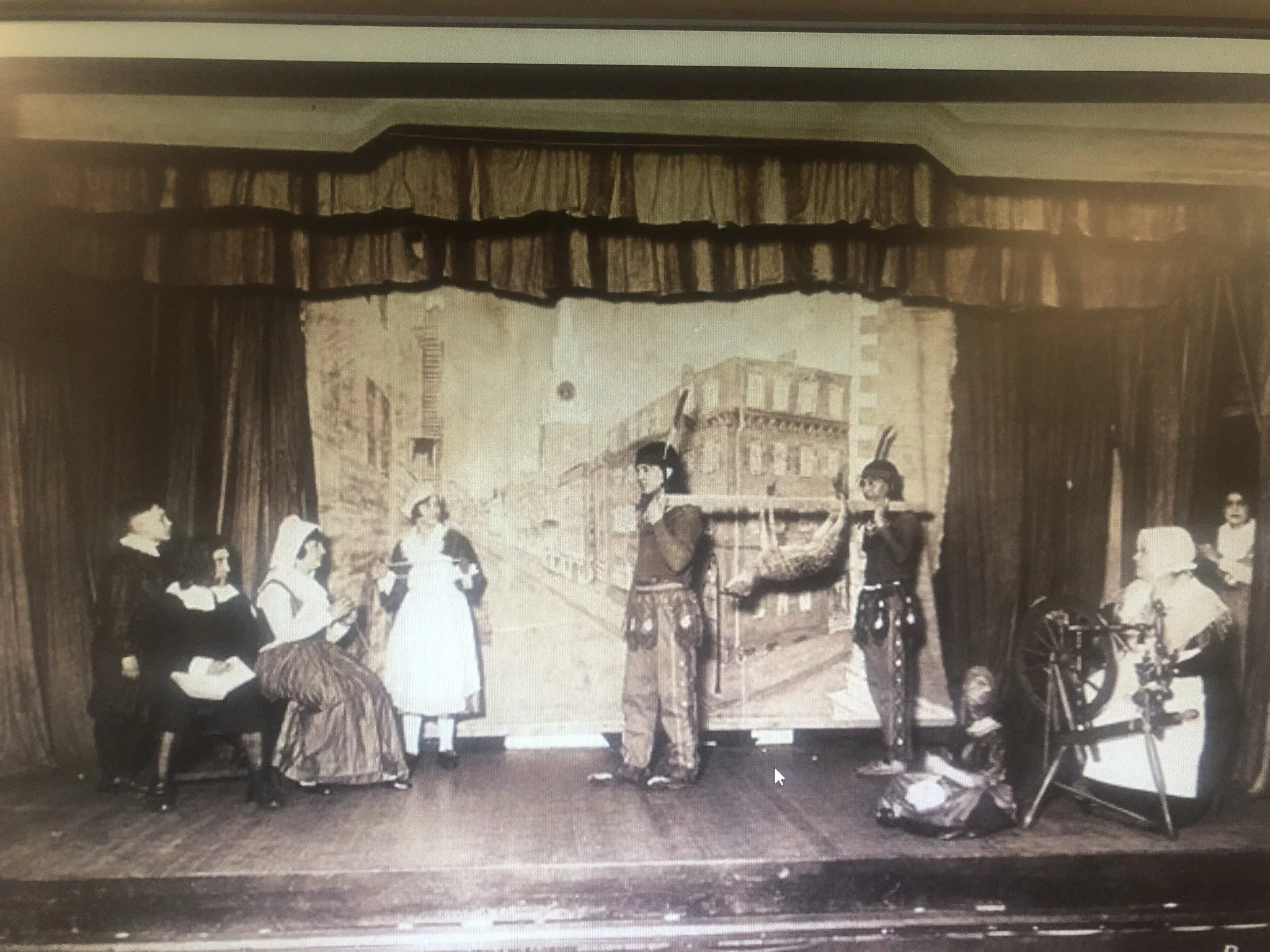
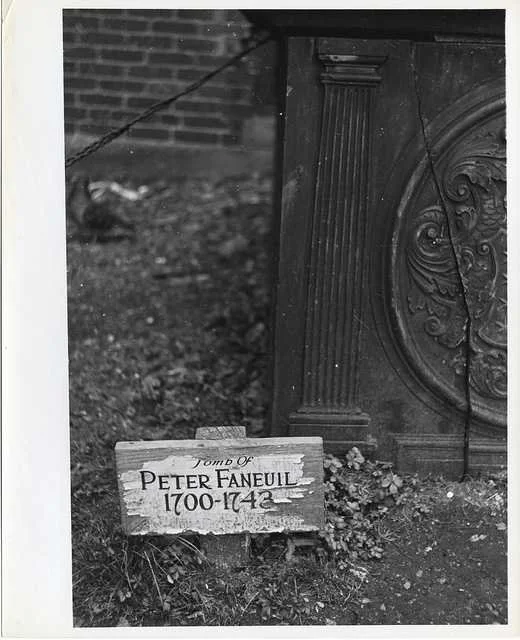
Colonial Boston occupied the relatively small Shawmut Peninsula, which was connected to the mainland by a narrow neck of land and otherwise surrounded by water. The northern end of the peninsula gradually became known simply as the North End, a geographic designation that evolved into an established neighborhood name, much like the West End and South End. The neighborhood had a busy waterfront lined with wharves and warehouses, along with shops, churches, meetinghouses, and homes occupied by merchants, mariners, artisans, and their families.
The North End in the American Revolution
On the night of April 18, 1775, two lanterns hung in the steeple of Old North Church, officially Christ Church, signaled that British troops were leaving Boston by water, and Paul Revere set out from his house on North Square to warn the countryside. Both buildings still stand a few minutes’ walk apart on the Freedom Trail. The Paul Revere House, built around 1680, is the oldest building in downtown Boston.
The neighborhood’s early population also included people of African descent, both free and enslaved. Prince Hall, the abolitionist who founded Black Freemasonry in America, is buried at Copp’s Hill Burying Ground.
Is the North End Italian?
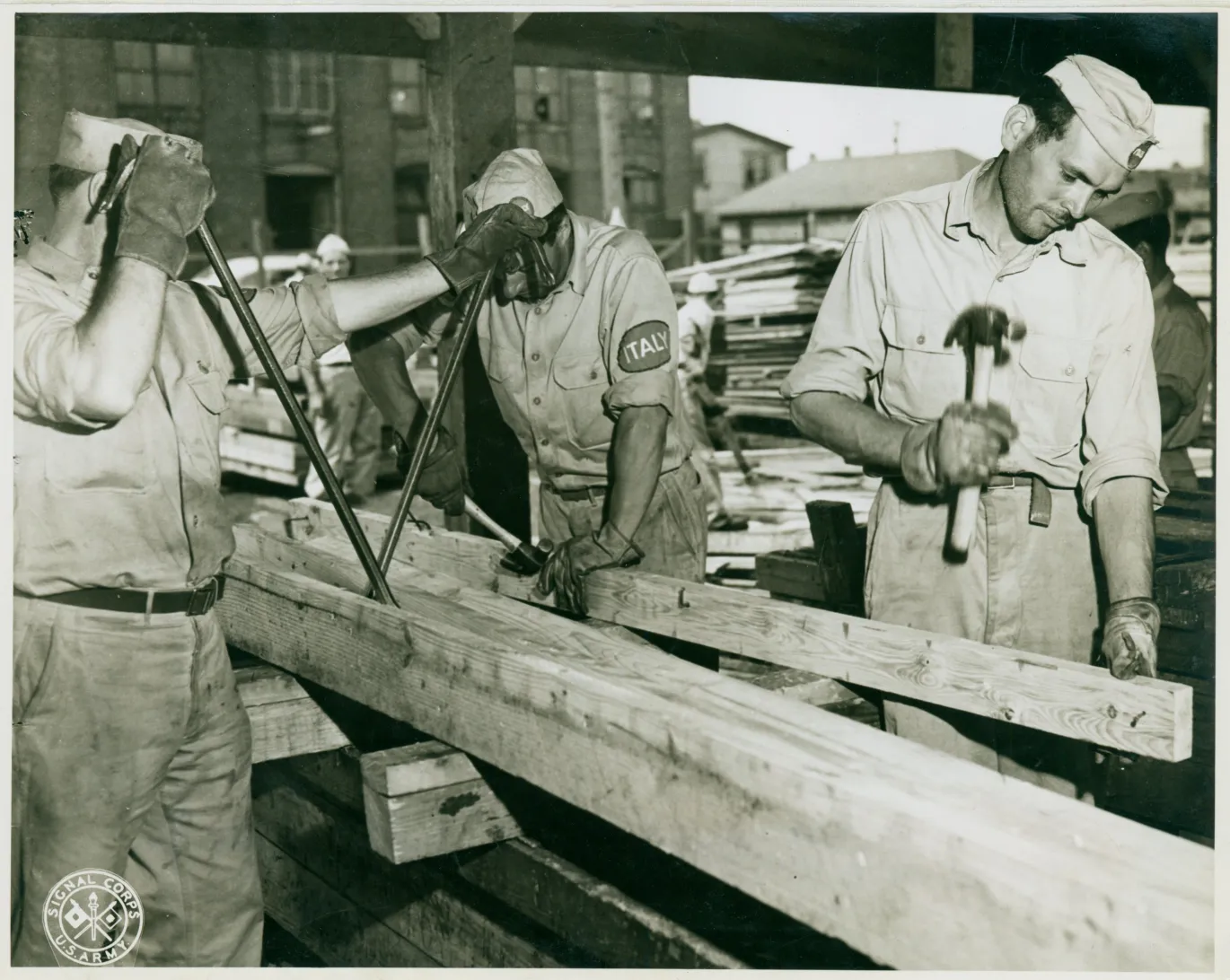
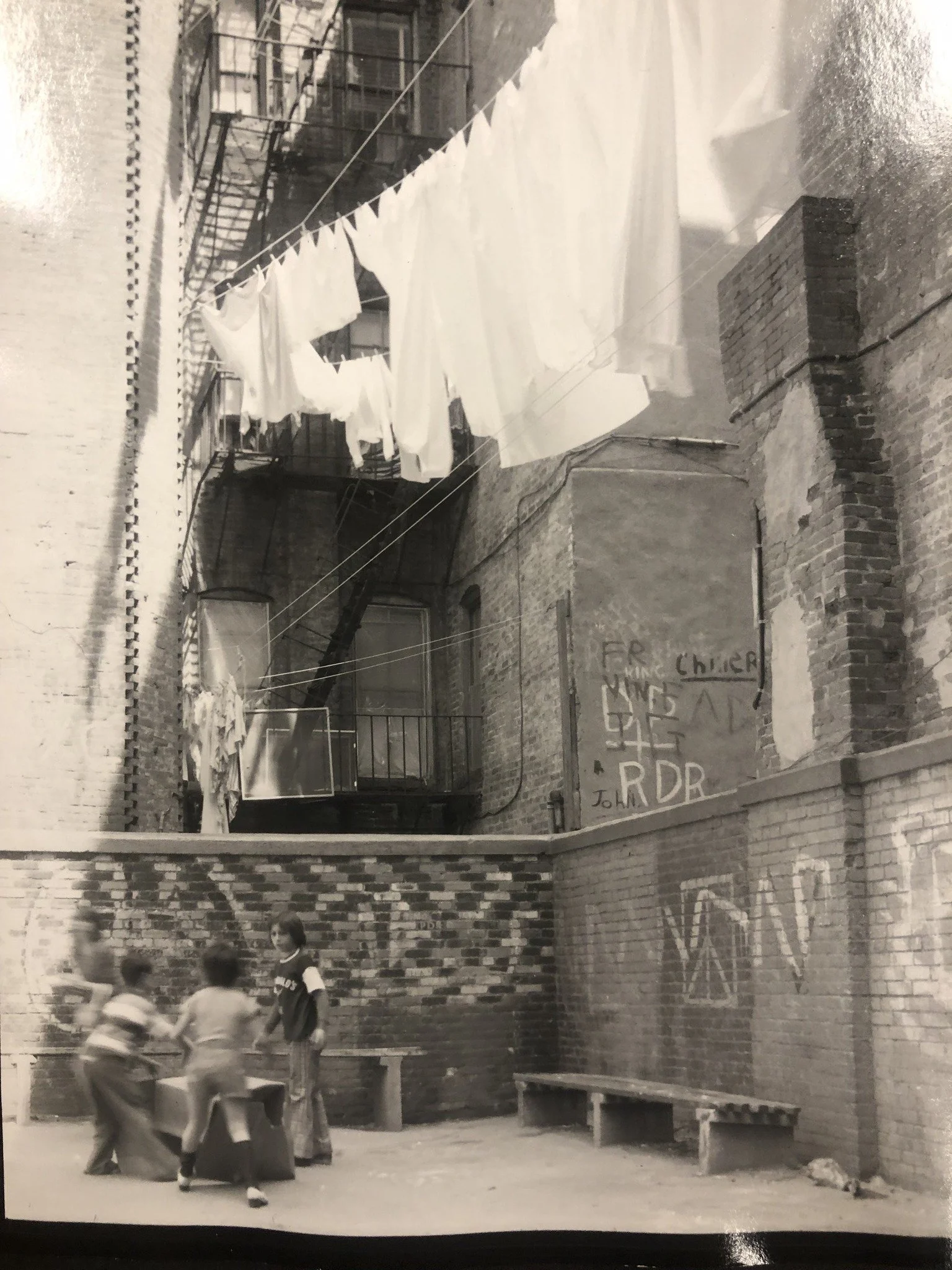
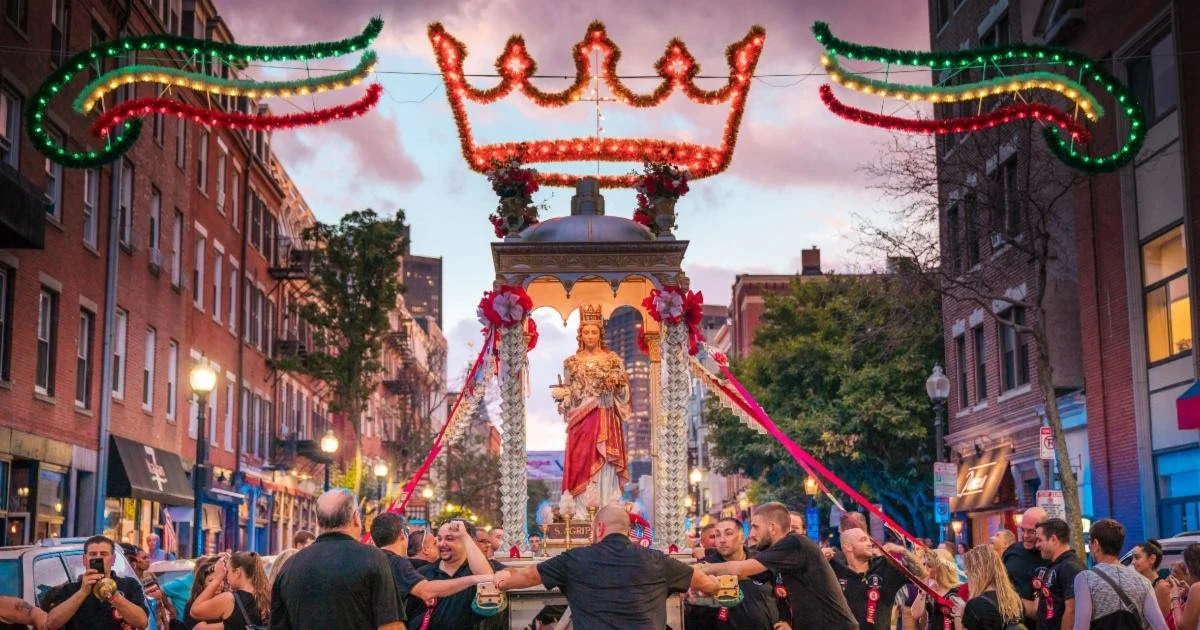
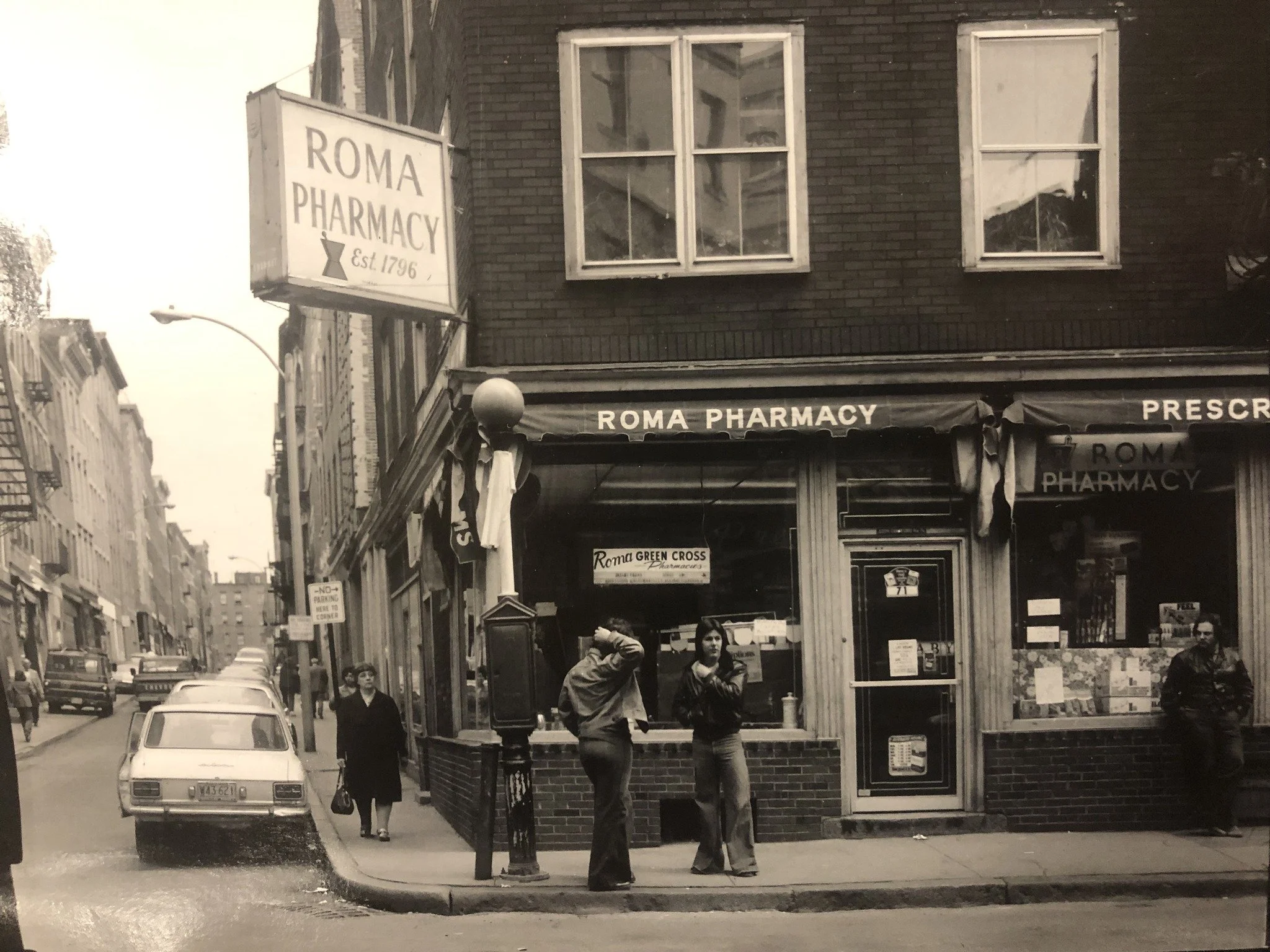
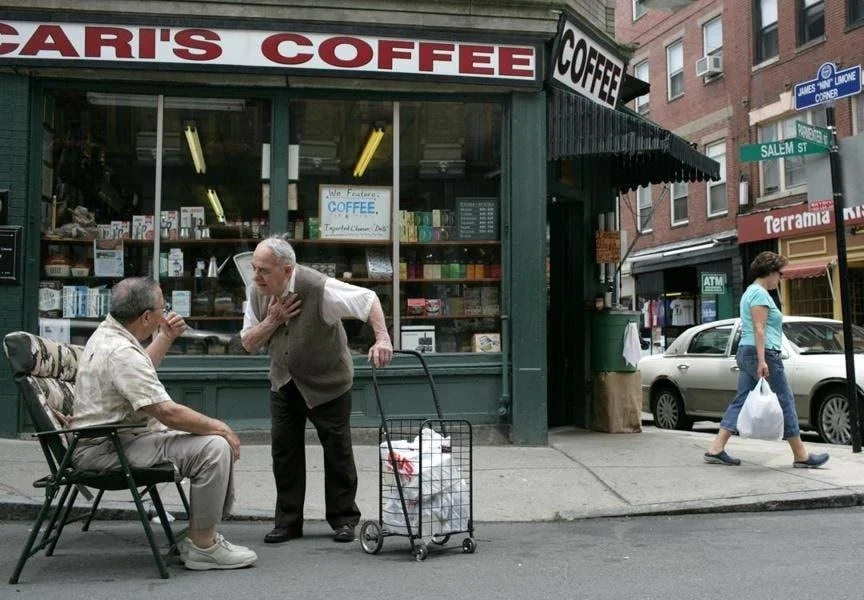
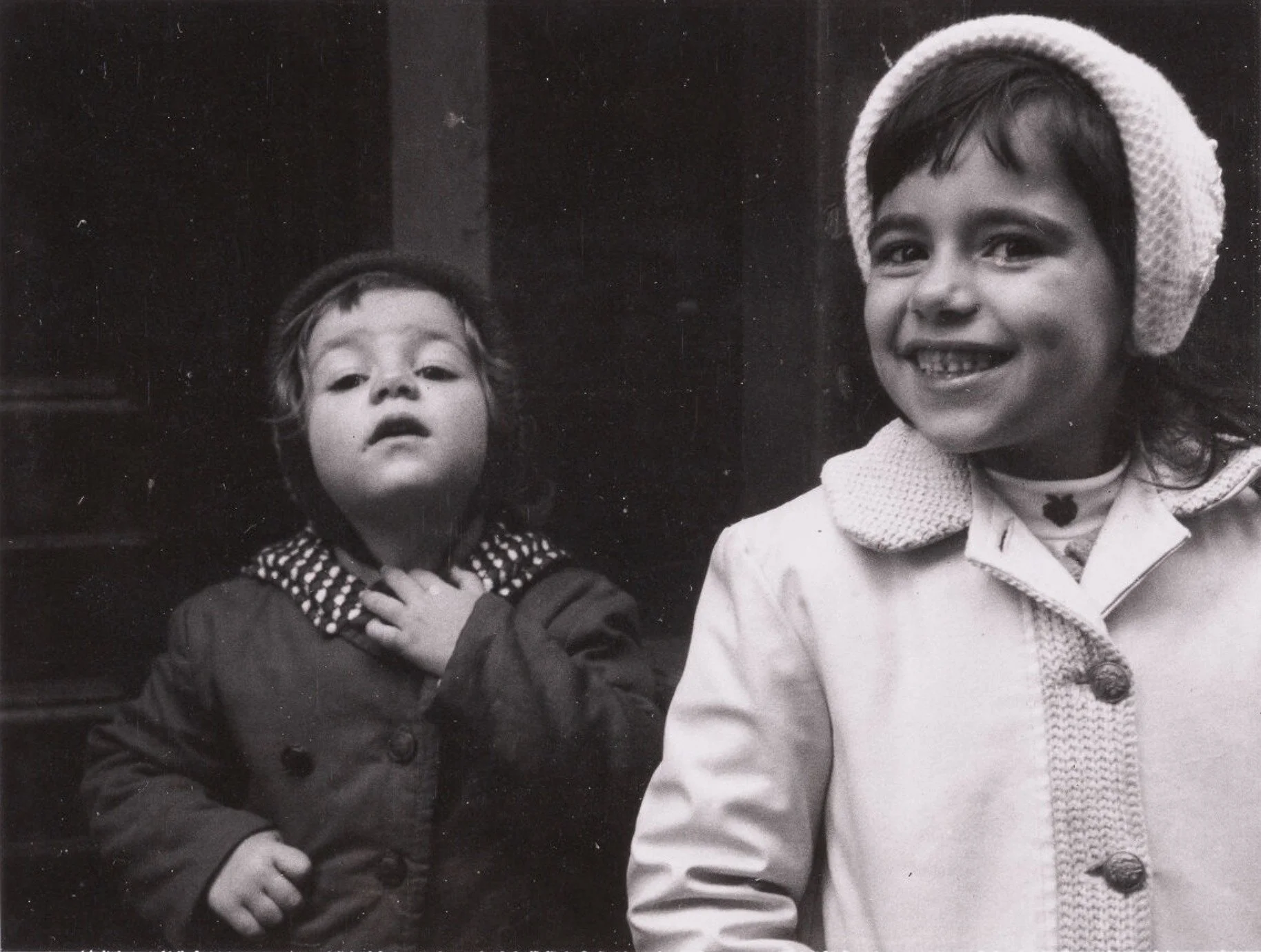
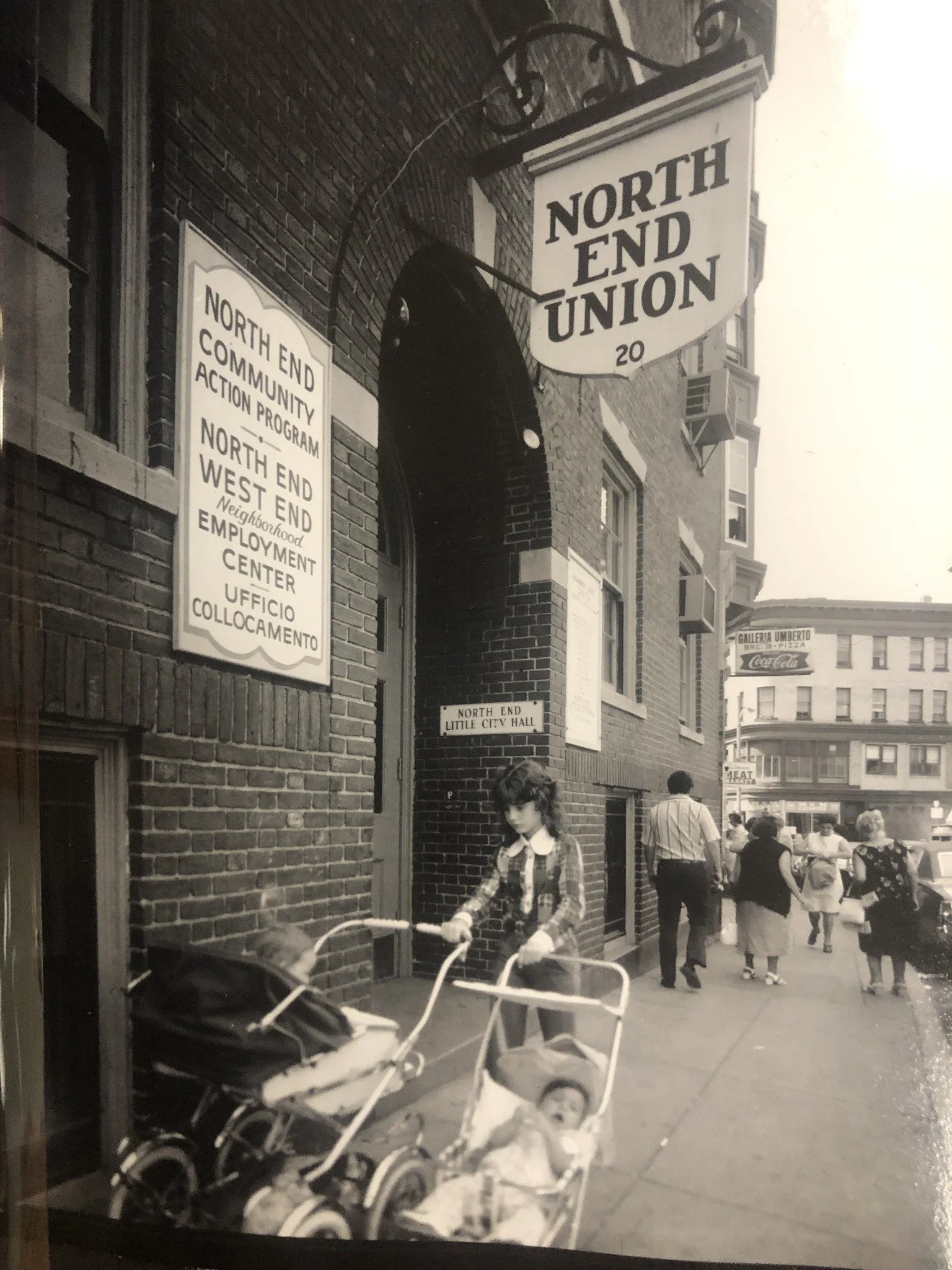
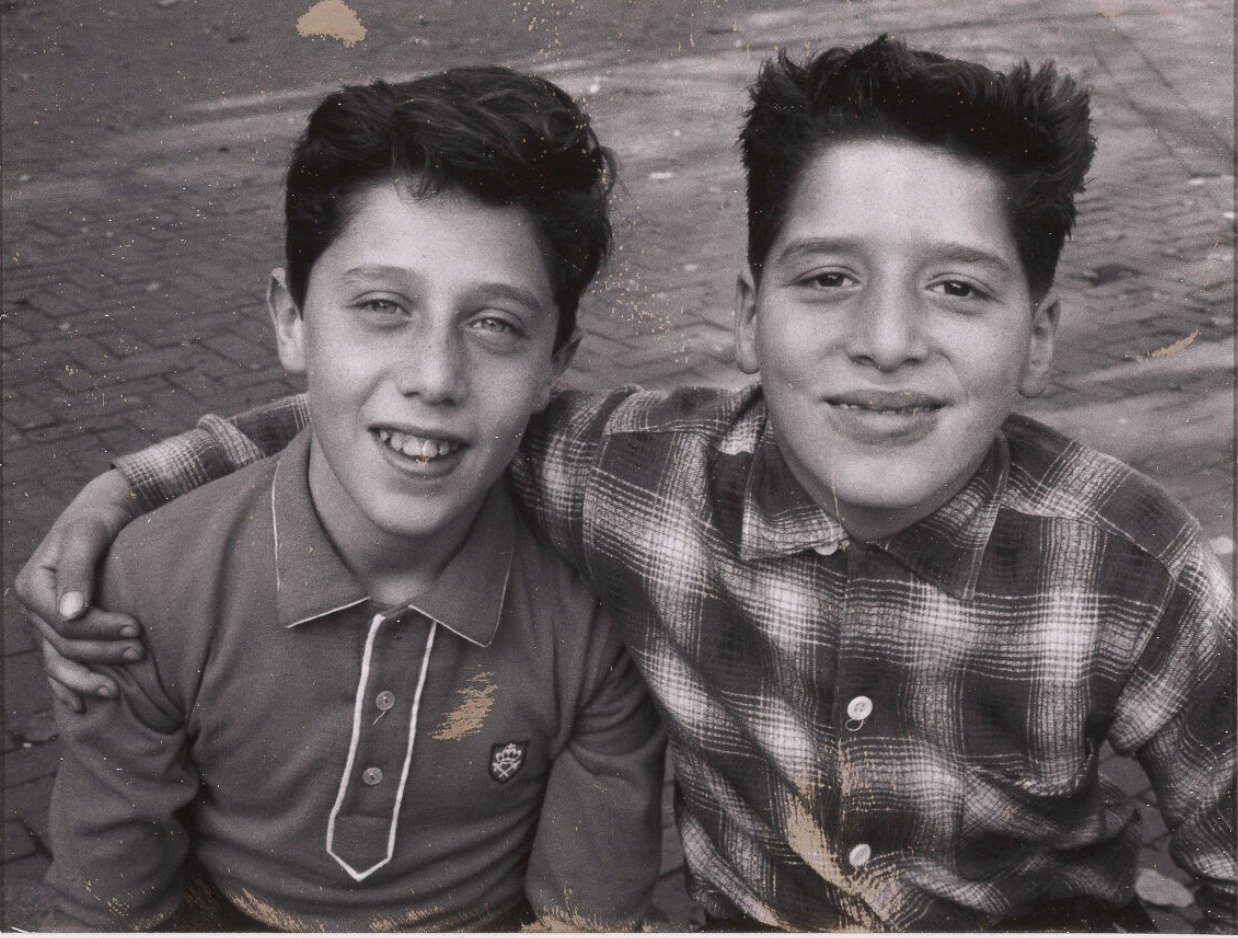
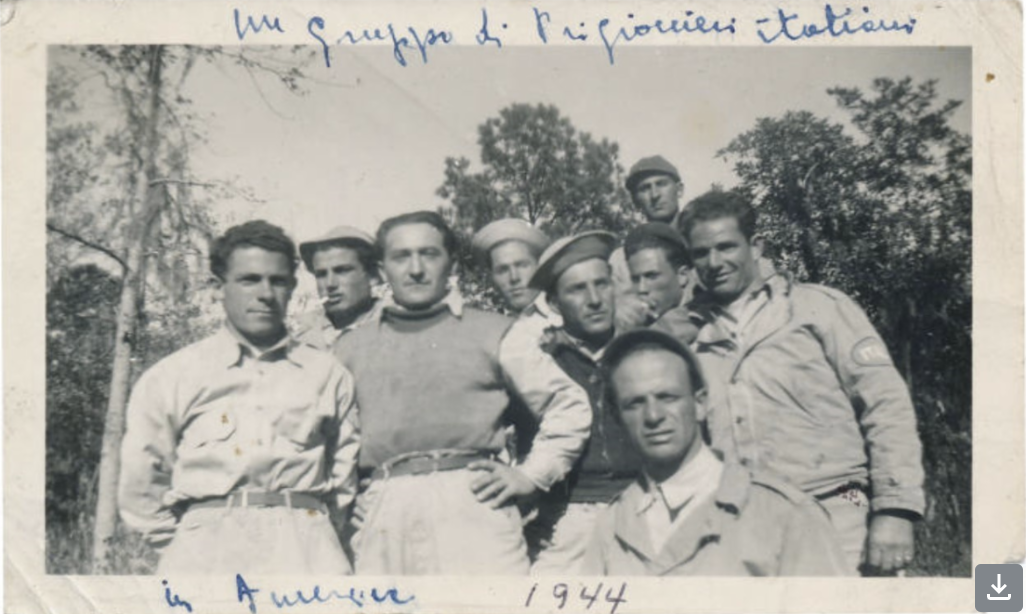
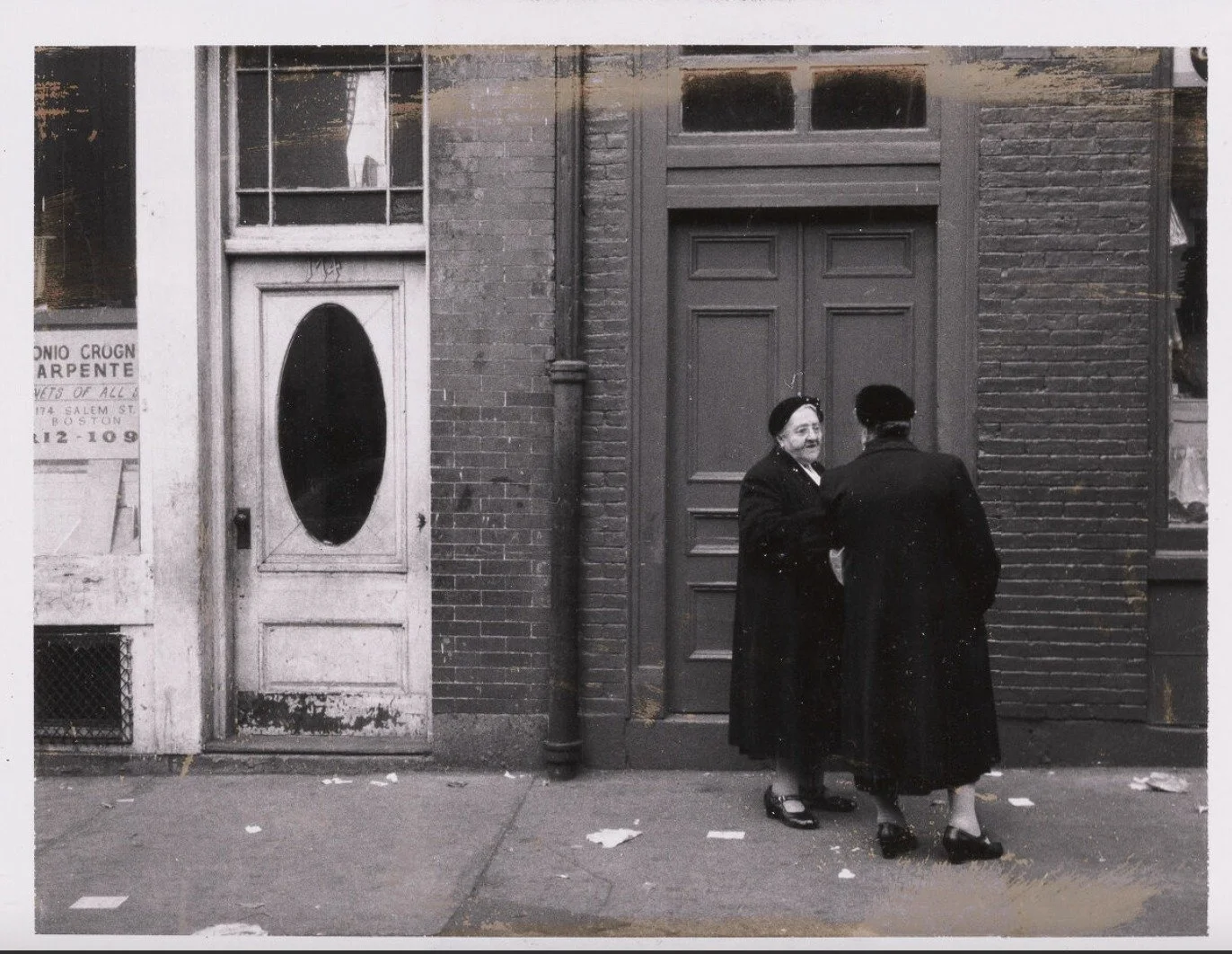
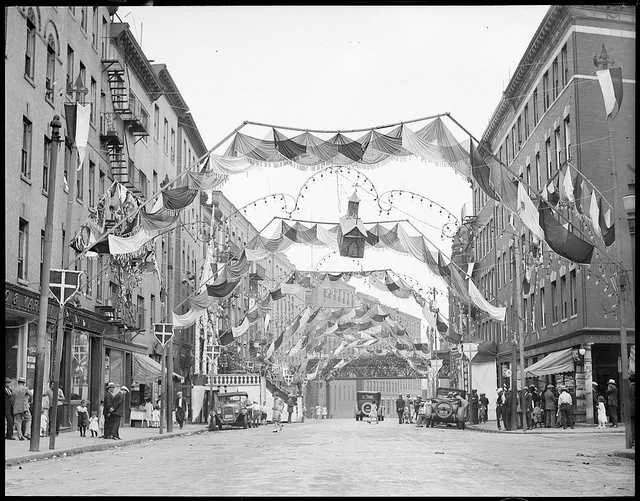
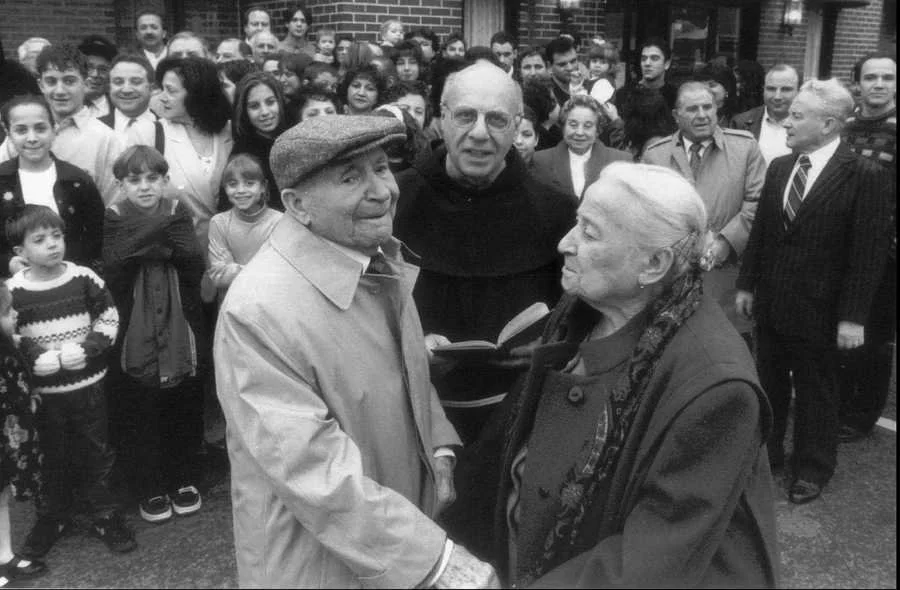
Yes, and it has been for more than a century. Immigrants arrived in waves through the 1800s, starting with Irish families and followed by Eastern European Jews, Portuguese fishermen and Italians, whose story here begins with a Genoese settlement around 1860. St. Leonard of Port Maurice Parish, founded in 1873, became New England’s first Italian Catholic parish. By the early 1900s Italian families made up most of the neighborhood, and their churches, social clubs, bakeries and summer feasts gave the North End the identity it carries today as Boston’s Little Italy. Through urban renewal and gentrification, Italian American residents and business owners have kept those traditions alive.
Moments that shaped the neighborhood
1630: Boston is settled, and the North End takes shape along the waterfront.
1723: Old North Church (Christ Church) is built on Salem Street.
1775: The lantern signal and Paul Revere’s midnight ride.
1860: A Genoese settlement begins the Italian chapter of the neighborhood.
1873: St. Leonard of Port Maurice becomes New England’s first Italian Catholic parish.
1908: The Saturday Evening Girls, who grew out of programs for young immigrant women at the North Bennet Street Industrial School, found the Paul Revere Pottery.
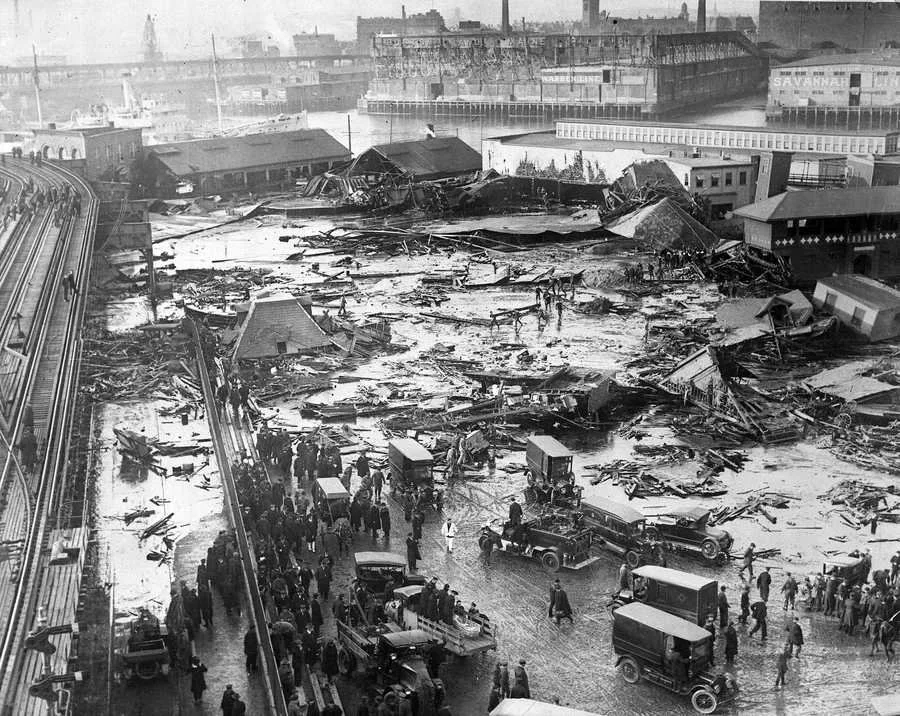
1919: The Great Molasses Flood sweeps through Commercial Street, killing 21 people.
1969: The Prince Spaghetti “Anthony!” commercial, filmed on North End streets, makes the neighborhood famous across the country.
2026: The North End Historical Museum opens at 3 Prince Street.
Visiting the North End today
The North End is separated from downtown Boston by the Rose Kennedy Greenway and is within walking distance of the Haymarket and North Station T stops. The Freedom Trail winds through the neighborhood, passing the Paul Revere House in North Square, Old North Church on Salem Street, and Copp’s Hill Burying Ground on Hull Street.
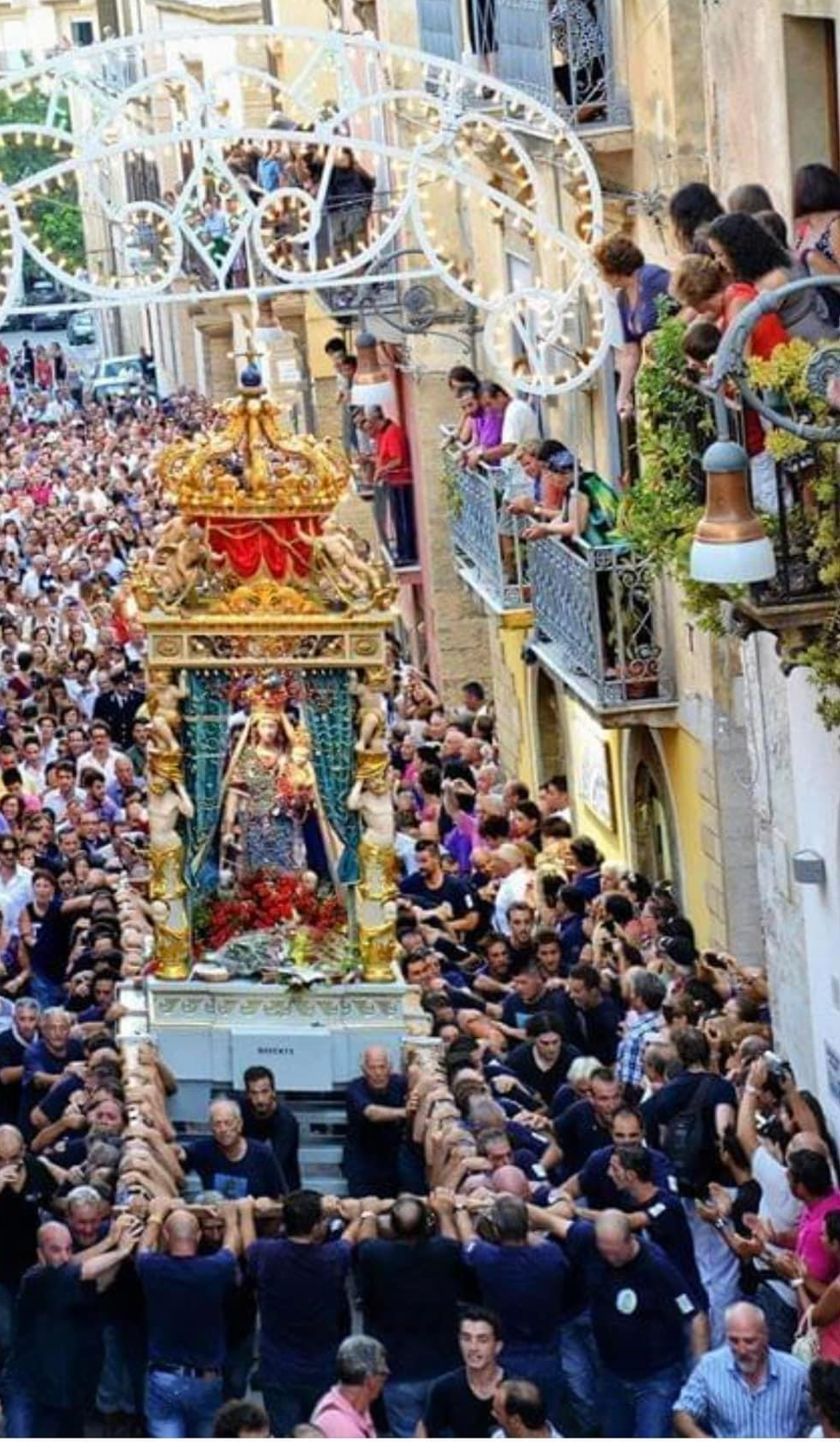
Most visitors come for the restaurants and bakeries on Hanover and Salem Streets, and the neighborhood rewards anyone who stays past dinner. St. Leonard Church is home to the Noble Journey sculpture, and the summer feasts fill the streets with processions and food stalls on weekends from June through August. For parking, public transit and museum hours, see Plan Your Visit.
See the story in person
The North End Historical Museum at 3 Prince Street brings this history under one roof, steps from the Paul Revere House on the Freedom Trail. Its seven exhibits include an interactive Time Machine that runs from 1630 to the present, a display tracing the neighborhood’s changing demographics, and oral histories from the families who lived here.
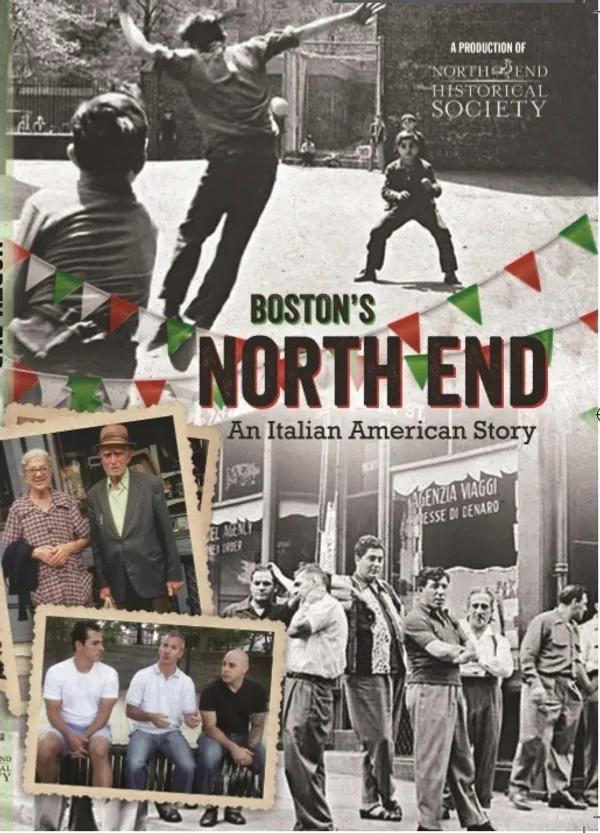
The NEHS-produced documentary, "Boston's North End: An Italian American Story, is available for purchase as a DVD or streaming link.
Boston’s North End: An Italian American Story is the first feature length, high definition film to chronicle the vibrant Italian American community that has called the North End of Boston home for more than 100 years. The documentary movie is based on historical records and interviews with Italian American North Enders and their descendants, ranging in age from 7 to 94, from around the Boston area.
Highlights include early political struggles, former World Welterweight Boxing Champion Tony DeMarco, and Stephen Puleo, author of “The Boston Italians,” and “Dark Tide: The Great Boston Molasses Flood of 1919.” It also features original music written especially for the film, home videos, and many photographs. The same era explored in this documentary comes to life at the North End Historical Museum, now open at 3 Prince Street.
Written by Alex Goldfeld and Jimmy Pasto. Produced by the North End Historical Society, Inc. (2016). 71 minutes, in color.
Italian American Review
"What effective, community rooted scholarship should look like... a solidly grounded historical and cultural picture of life in the North End from the early 20th century until the present." - Anthony Bak Buccitelli, Italian American Review 8 (2018), pp. 106-108.
We The Italians
"Boston's North End: An Italian American Story ... tells the tale of the vibrant Italian-American community that has called this area of Boston home for over 100 years." - www.wetheitalians.com (6 October 2018).
Professionisti Italiani a Boston
"The film produced by the North End Historical Society offers a modern and passionate view on the Italian immigration in the North End between 1860 (the Genoese settlement of the North End) to the present." - Professionisti Italiani a Boston and the Dante Alighieri Society of Massachusetts (24 April 2016).
Visit The Noble Journey sculpture at St. Leonard Church to see how this immigration history is memorialized in the neighborhood today.